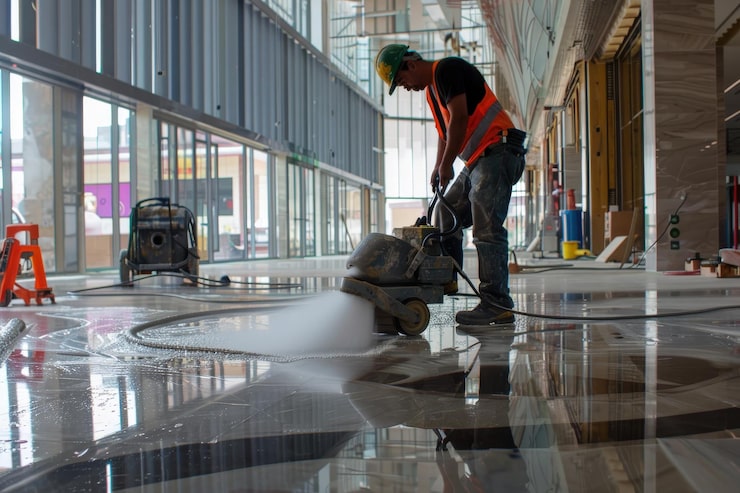
If you’ve ever lived in an apartment building in Sydney, you’ll know the feeling of walking into a lobby that’s spotless, with a lift that smells faintly of nothing in particular and a car park that doesn’t make you nervous about where you’re stepping. You probably didn’t think much about it. That’s exactly the point. Good Strata Cleaning Sydney is invisible until it stops happening, and then suddenly everyone in the building notices.
Strata properties are a strange category when it comes to cleaning. Nobody technically owns the common areas outright, yet everyone who lives there has an opinion about how clean they should be. Building managers and strata committees end up caught in the middle, trying to keep dozens or hundreds of residents satisfied with a shared space that sees constant use.
Why Strata Cleaning Is More Complicated Than It Looks
A single apartment complex might include a lobby, multiple lift cars, several stairwells, a basement car park, garbage rooms, mailrooms, and shared amenities like a gym or pool area. Each of these spaces has completely different cleaning needs. Lift buttons and door handles need frequent disinfecting because of how many hands touch them daily. Car parks need sweeping and occasional pressure washing to deal with oil stains and general grime. Garbage rooms need regular attention or they quickly become a source of complaints and, in warmer months, unwanted pests.
Then there’s the reality that strata buildings never really close. Unlike an office that empties out by 6pm, residents are coming and going at all hours, which means cleaning needs to happen without disrupting daily life, and ideally without residents even noticing the work being done.
Keeping Residents Happy Without Even Trying
Strata committees deal with a lot of resident complaints, and cleanliness is consistently one of the most common. A sticky lift button, a smelly garbage room, or a lobby that hasn’t been vacuumed in a week can generate more emails to the strata manager than almost any other issue in the building. It’s not usually about the mess itself, it’s about what it signals: that nobody is paying attention.
On the flip side, a well-maintained building becomes a selling point. Prospective buyers and renters notice common areas during inspections, and a building with a reputation for being well kept tends to hold its property values better than one known among locals for being scruffy around the edges.
What a Good Cleaning Schedule Looks Like
Reliable strata cleaning usually runs on a structured routine rather than an ad hoc basis. Daily or near-daily attention typically covers lobbies, lift interiors, and high-touch surfaces. Weekly work might extend to stairwells, car park sweeping, and window cleaning in common areas. Then there’s periodic deeper work, things like high-pressure washing of driveways, carpet steam cleaning in corridors, or window cleaning on external common-area glass, which doesn’t need to happen every week but can’t be ignored for months at a time either.
Providers experienced in Strata Cleaning Sydney work understand these layered schedules well, because they’ve worked across enough residential buildings to know which areas generate complaints fastest if neglected, and which ones can be managed on a longer cycle without residents noticing the difference.
Balancing Budgets and Standards
Strata committees are, understandably, careful with money. Levies fund the cleaning budget, and nobody wants to see fees rise without good reason. This sometimes creates pressure to cut back on cleaning frequency or scope, which can work in the short term but often backfires when standards slip and resident complaints start piling up.
The better approach is usually working with a cleaning provider who can scale their service to the building’s actual needs, rather than offering a flat, one-size-fits-all package. A boutique 12-unit building has very different requirements to a 200-apartment tower with multiple lifts and a shared gym, and the cleaning budget should reflect that reality rather than following a generic formula.
Communication Between Committees and Cleaners
One thing that separates well-run strata buildings from ones with constant cleaning disputes is communication. Regular check-ins between the strata manager and the cleaning provider, clear checklists for what’s covered in the contract, and a straightforward process for reporting issues all help avoid the kind of misunderstandings that lead to resident frustration.
Final Thoughts
Strata cleaning rarely gets much credit when it’s done well, which is honestly the whole point. Residents shouldn’t have to think about who’s keeping the lobby spotless or the car park swept, they should just walk into a building that feels cared for. For strata committees and building managers across Sydney, investing in a reliable, experienced cleaning partner is one of the simplest ways to keep residents satisfied and protect the long-term value of the property.